
I just returned from an exercise etc fitness conference in phoenix this past Sunday (6/12). As a presenter for ex etc for over 15 yrs, I’ve had the opportunity to observe and even participate in the evolution of the profession of personal fitness training.
During the lecture on shoulders, I asked if anyone in the class was a thrower as I needed someone with coordination to demo my ‘dynamic cam’ technique using elastic tubing. Only one person – out of 25 or so – admitted to being able to throw. I’ve had this happen before – trainers who were uncoordinated in the ways of sport movement. This alone concerns me as so many of our clientele – country club athletes, or even real athletes – play sports and need to learn how to exercise in ways that will enhance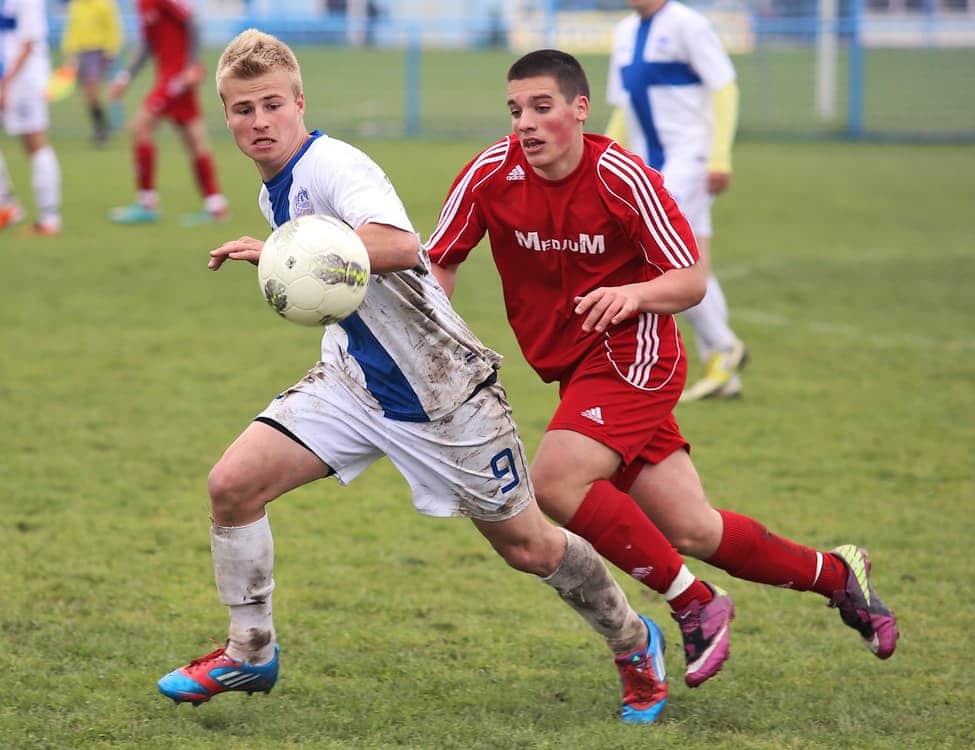 their activity of choice. If all a trainer knows is how to strengthen or stretch a muscle, but not the mechanisms of movements themselves, then training is half-assed, if you know what I mean. After all, what is functional training if not training that improves function and resists injury?
So, here’s a few simple pointers on the major joints – knees, shoulders, and backs – and how you – trainer or worker-outer – can think about how you train those joints.
First, all joints have 4 major components: bones (which meet and may be joined – the scapula is not technically joined to the thoracic rib cage; it floats on it – to form a specifically-limited range of movements), ligaments (which hold most -but not the scapula- joints in place but do not move them), tendons (the attachments, usually close to the joint, of muscles that move them), and muscles, the only real source of movement of the joints.
Now, muscles come in various sizes and strengths, but the rule there is the larger the muscle the stronger it is; and vice versa. The muscles closest to the joint itself tend to be the smallest; as such, they are the weakest and often are implicated in the injury patterns of many joints. Learning how these muscles are supposed to work will help you train them, but here’s my rule: if you use excessive loads early in training or rehabbing, the small muscles won’t be able to do the work they’re supposed to do, and the larger ones will compensate accordingly. Therefore, the small muscles, the ones most integrated in stabilizing a joint, are undertrained at the expense of the larger ones, most likely doing movements TO the joint itself that are not good for it.
Therefore, when training these important joints, remember to pre-train the smaller muscles around them by not over-burdening the systems. For the shoulder, do some cuff work; for the knees, do some basic conditioning for the hip abductors and vastus medialis with low resistance close chain exercises like leg press or squats; and for the spine, don’t do crunches – start with simple core training exercises like bridges, abdominal contractions, and/or partial dead bugs. A couple weeks of these early in a novice’s training, or even in the training of an athlete coming off the post-season, will prevent many of the types of injuries we trainers often contribute to, and may even allow steeper progressions once the early phase is over.